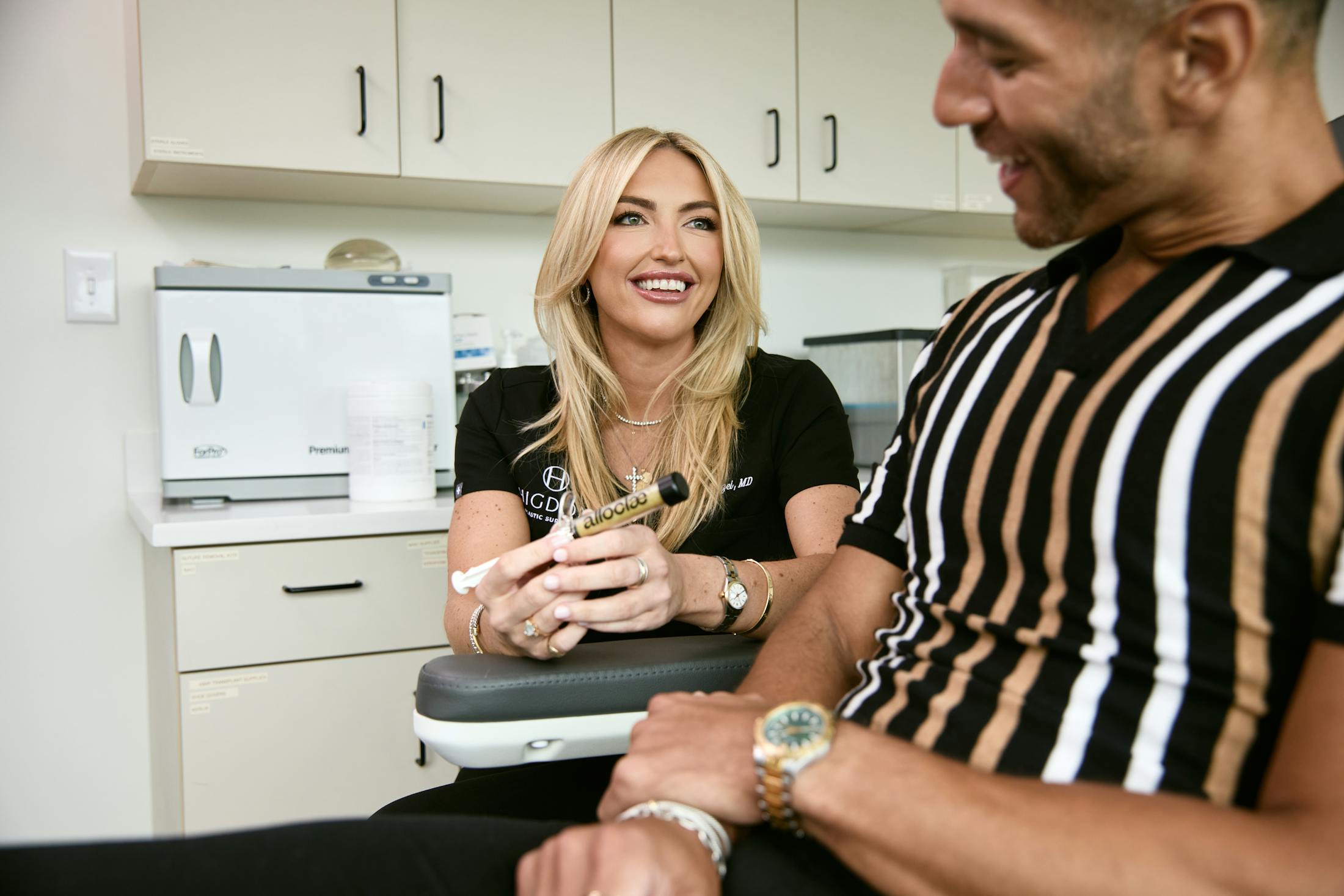
A More Advanced Option for Body Contouring

Dr. Kent "Kye" Higdon has spent more than 14 years refining aesthetic and reconstructive techniques, including over a decade on faculty at Vanderbilt University Medical Center. As a double board-certified plastic surgeon, he stays current with regenerative technologies like alloClae so patients in Nashville and Franklin have access to the most advanced, least invasive options available. Higdon Plastic Surgery introduced alloClae to provide patients with a way to restore volume and soft-tissue contour without the recovery burden of traditional fat harvesting.

What Is alloClae?

alloClae is a structural adipose (fat) filler made from carefully screened and processed donated human fat tissue.
During processing, living cells and genetic material are removed while the natural architecture of the fat and its extracellular matrix, the supportive framework that gives tissue its structure, is preserved.

This processing method:

  • Retains the tissue's natural honeycomb structure to provide immediate volume at the treatment site
  • Preserves the extracellular matrix and its naturally occurring proteins and collagens to support lasting results
  • Terminally sterilizes the tissue for safety
  • Minimizes DNA content to reduce the risk of an immune response

The result is immediate volume while supporting the body's own regenerative processes.

Logo media
Banner media

Benefits of alloClae

Unlike traditional fat grafting, alloClae does not require liposuction to harvest a patient's own fat. This makes it an appealing option for several groups of patients:

  • Patients who are lean and do not have enough donor fat for traditional grafting
  • Patients who have experienced significant weight loss
  • Patients who prefer to avoid the incisions and recovery time associated with liposuction
  • Patients seeking a less invasive way to restore volume to the breasts or hip area

Treatment is performed in the office under local anesthesia, requires minimal downtime, and offers a less invasive alternative for restoring soft tissue volume and improving contour.

Am I a Candidate for alloClae?

Good candidates for alloClae in Nashville are patients seeking modest volume restoration to the breasts or hip dips without surgery. Before recommending alloClae, Dr. Higdon or Dr. Wetzel will evaluate:

  • Whether the patient has an active infection at or near the treatment site
  • Whether the patient has a history of severe allergen sensitivities or anaphylaxis
  • The patient's overall health and any conditions that could affect healing
  • The specific area of concern and whether the desired volume change is realistic for alloClae
  • Whether the patient's goals are better served by alloClae, traditional fat grafting, or another body contouring option

alloClae vs. Traditional Fat Grafting

Traditional fat grafting requires liposuction to harvest fat from another part of the body, which is then purified and reinjected. This adds a donor site, additional recovery time, and depends on the patient having enough available fat. alloClae removes that requirement entirely, making it a practical option for lean patients or those who have already achieved significant weight loss and want to avoid an additional liposuction procedure.

Background media

Why Choose Higdon Plastic Surgery for alloClae?

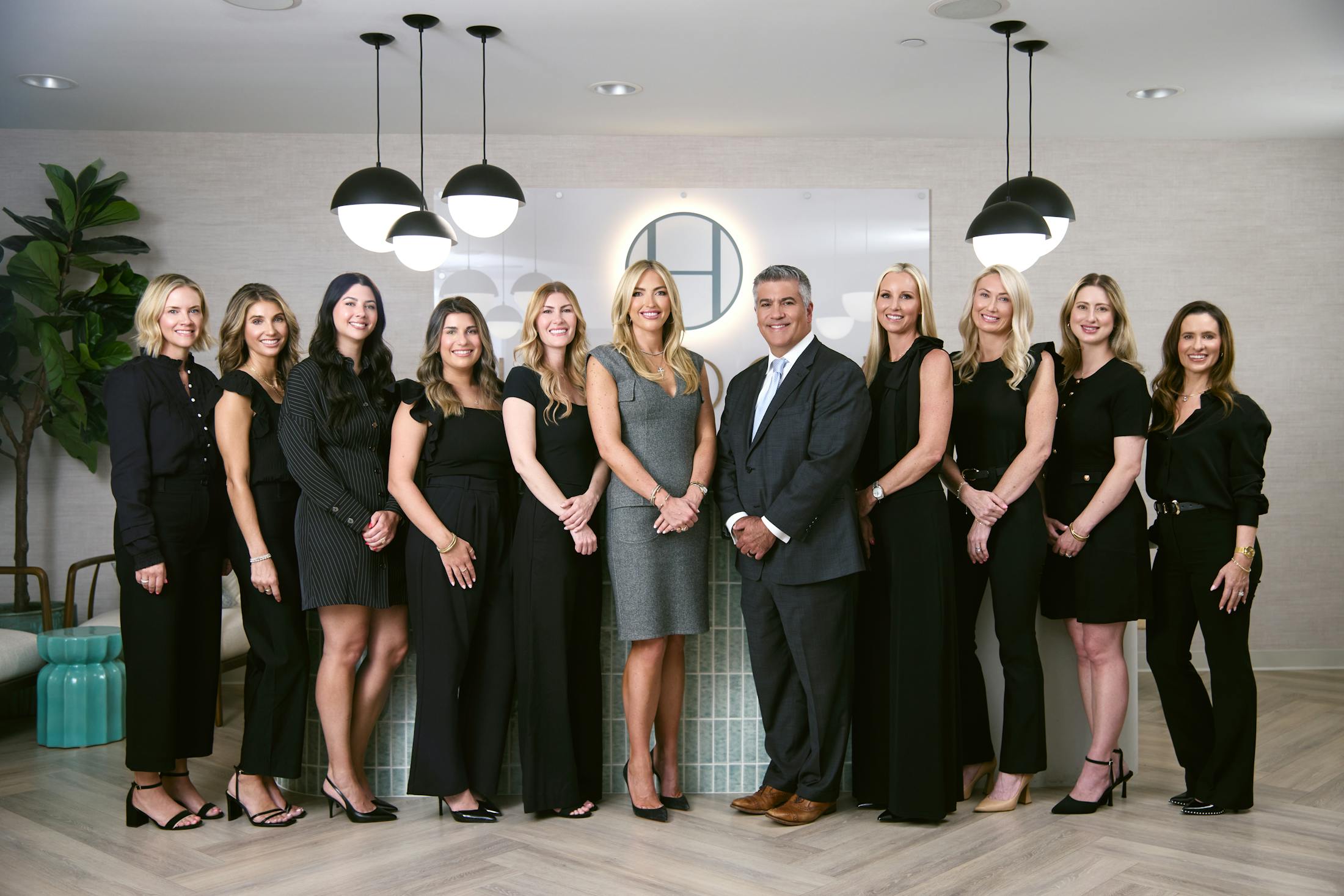
Higdon Plastic Surgery brings a rare combination of aesthetic and reconstructive expertise to every alloClae treatment. Dr. Higdon is double board-certified by the American Board of Plastic Surgery and the American Board of Surgery, and he served as founder and program director of Vanderbilt's Breast and Body Contouring Aesthetic Plastic Surgery Fellowship. Dr. Wetzel completed an Aesthetic Society-endorsed fellowship focused on advanced body contouring decision-making. Together, this team carefully evaluates each patient's anatomy before recommending alloClae or an alternative.

What to Expect Before, During, and After

Consultation

During a consultation, Dr. Higdon or Dr. Wetzel will review the treatment areas, discuss goals, and determine whether alloClae or another body contouring option is the better fit. Cost varies based on the amount of tissue needed and the areas treated, and specifics are provided during this visit.

Procedure

alloClae is delivered in the office using local anesthesia. Because there is no liposuction step, the appointment is shorter than traditional fat grafting and does not require a separate donor site.

Recovery and Results

Downtime after alloClae is minimal, and most patients return to normal activities quickly. Because the extracellular matrix is preserved during processing, the treated area is designed to support the body's own tissue integration over time rather than relying solely on the graft's volume.

Explore alloClae

Not every regenerative product reaches Higdon Plastic Surgery. Dr. Higdon evaluates emerging techniques against the same standard he set as a Vanderbilt fellowship director, training the next generation of surgeons, which is why alloClae made the cut while other filler options have not.

If you're weighing alloClae against traditional fat grafting or another body-contouring approach, Dr. Higdon or Dr. Wetzel can map out exactly what your anatomy and goals require. Schedule a consultation today.

Disclaimer: This information is provided for educational purposes only and does not replace a consultation with a board-certified plastic surgeon. Outcomes, risks, and suitability vary from patient to patient.

Logo media
Banner media

alloClae FAQs

Is alloClae permanent?

Results vary by patient because alloClae is designed to integrate with the body's own tissue over time. Dr. Higdon will discuss expected longevity during a consultation.

Does alloClae carry the same risks as fat grafting?

alloClae carries different risks than autologous fat grafting since it does not require liposuction. As with any procedure, potential complications exist and will be reviewed during consultation.

What areas can be treated with alloClae?

The most common treatment areas are the breasts and hip dips, though candidacy depends on individual anatomy and goals.

How is donor tissue for alloClae screened for safety?

Donor tissue is carefully screened and processed to remove living cells and genetic material before it reaches Higdon Plastic Surgery, following the manufacturer's tissue-safety protocols. Dr. Higdon can walk patients through this screening process in detail during consultation.

How many alloClae treatments will I need?

Most patients achieve their desired volume in a single session, though this depends on the amount of correction needed and the treatment area. Dr. Higdon or Dr. Wetzel will outline a specific plan during consultation.

When will I see final results from alloClae?

Because alloClae provides volume immediately upon injection, initial results are visible right away. Final results develop over the following weeks as the tissue settles and integrates with the surrounding area.

Can alloClae be combined with other procedures?

Yes. alloClae is sometimes used alongside other body contouring procedures. Dr. Higdon or Dr. Wetzel will advise during the consultation whether combining treatments makes sense for a patient's goals.

Contact us media
Accessibility: If you are vision-impaired or have some other impairment covered by the Americans with Disabilities Act or a similar law, and you wish to discuss potential accommodations related to using this website, please contact our Accessibility Manager at (615) 444-6933.
Contact Us